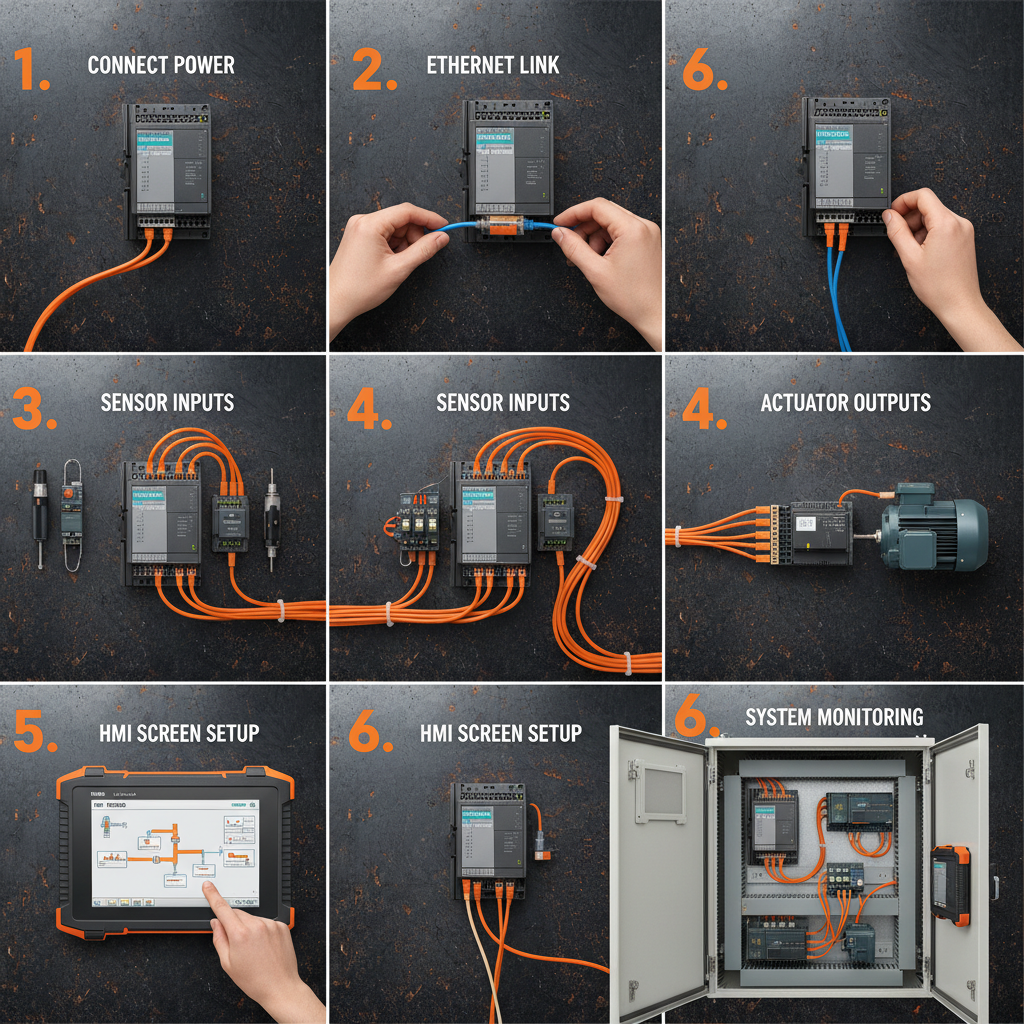
Leading VFD Manufacturers | Efficient & Reliable Drives
Understanding Variable Frequency Drive Manufacturing Excellence
In the realm of industrial automation and energy management, Variable Frequency Drives (VFDs) stand as critical components, enabling precise control over electric motors and significantly enhancing operational efficiency. The selection of reliable vfd manufacturers is paramount for industries striving for optimal performance, reduced energy consumption, and extended equipment lifespan. This comprehensive guide delves into the intricate world of VFD production, covering everything from manufacturing processes and technical specifications to industry trends and real-world applications. Our aim is to provide B2B decision-makers and engineers with a profound understanding of what distinguishes top-tier variable frequency drives manufacturers in a competitive global market.
Modern VFDs leverage sophisticated power electronics, such as Insulated Gate Bipolar Transistors (IGBTs), to convert fixed-frequency, fixed-voltage AC input into variable-frequency, variable-voltage AC output. This capability allows for unparalleled control over motor speed and torque, leading to substantial energy savings—often in excess of 30% for centrifugal loads—and reduced mechanical stress on machinery. As industries evolve towards greater automation and sustainability, the demand for high-quality, robust VFD solutions from reputable suppliers continues to grow.
The Meticulous Process Flow of VFD Manufacturing
The production of advanced VFDs is a complex, multi-stage process that demands precision engineering, stringent quality control, and a deep understanding of power electronics. Leading vfd manufacturers adhere to rigorous standards to ensure the reliability and performance of their products. Below is an outline of the typical manufacturing process:
1. Design & Component Sourcing
Detailed CAD design, circuit board layout, and selection of high-grade components like IGBTs, capacitors, and microcontrollers from certified suppliers. Emphasis on long-term reliability and thermal management.
2. PCB Assembly (SMT/DIP)
Automated Surface Mount Technology (SMT) and Through-Hole (DIP) assembly for main control boards and power boards. Critical stages include precise soldering and automated optical inspection (AOI).
3. Power Module Integration
Assembly of power modules (IGBTs, rectifiers) with robust heat sinks. This often involves specialized bonding and thermal interface material application to ensure efficient heat dissipation.
4. Enclosure Fabrication (Casting/Machining)
Manufacturing of robust enclosures, typically from high-grade aluminum or steel, often involving precision CNC machining, casting, or sheet metal fabrication to ensure durability and IP rating compliance.
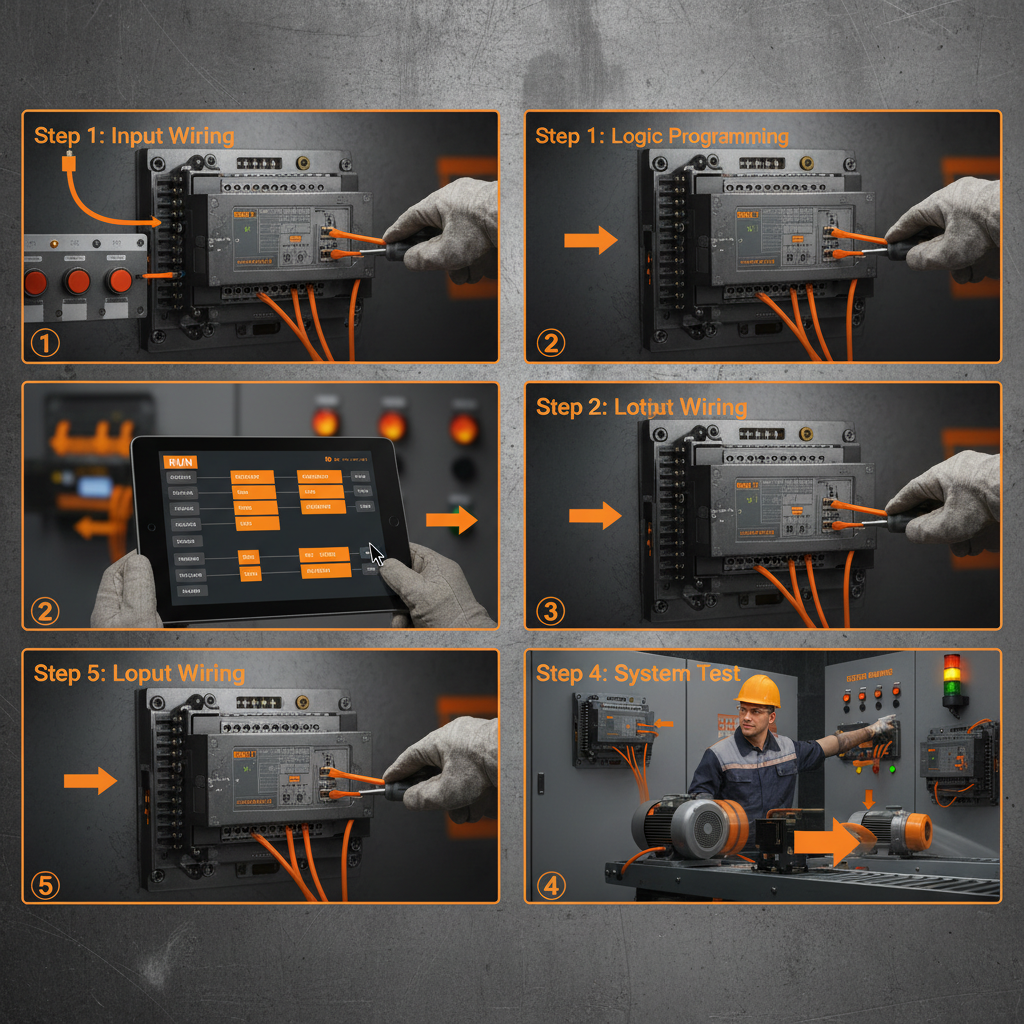
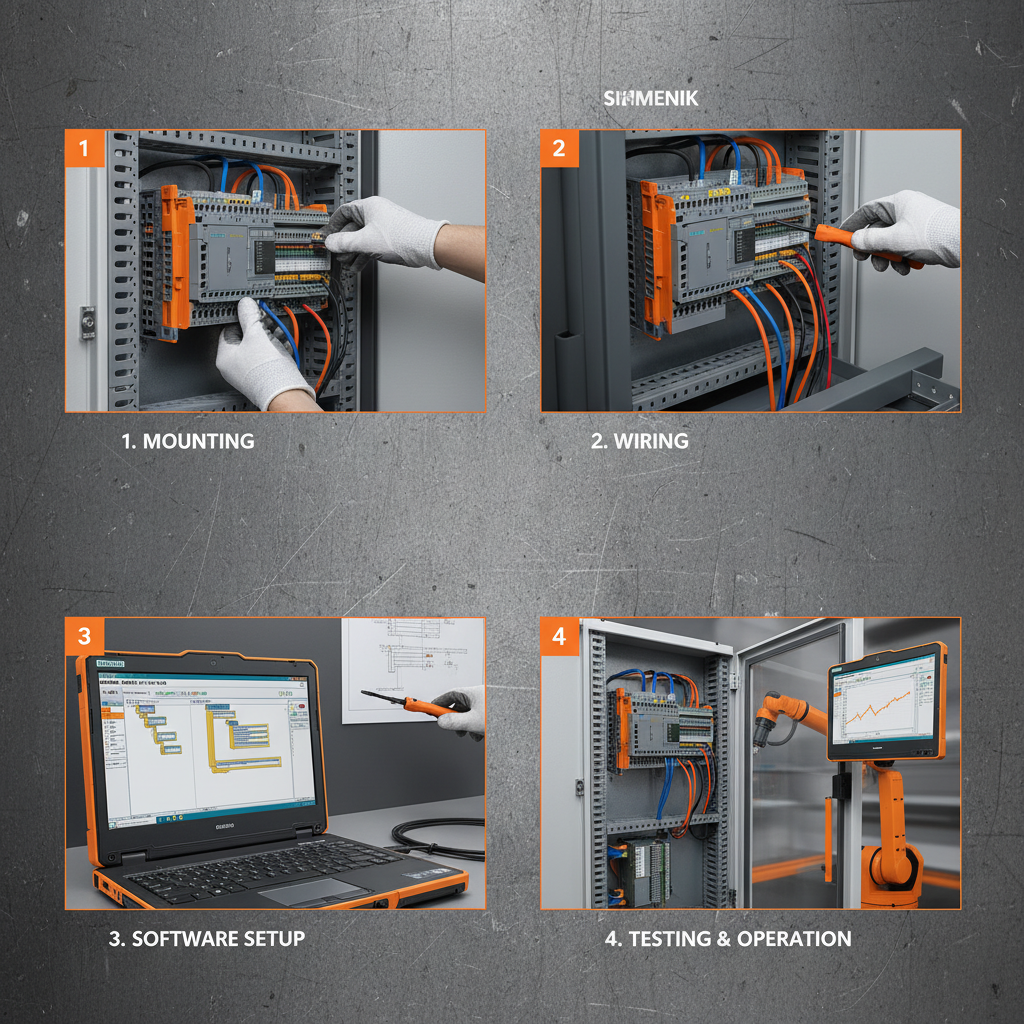
5. Final Assembly & Wiring
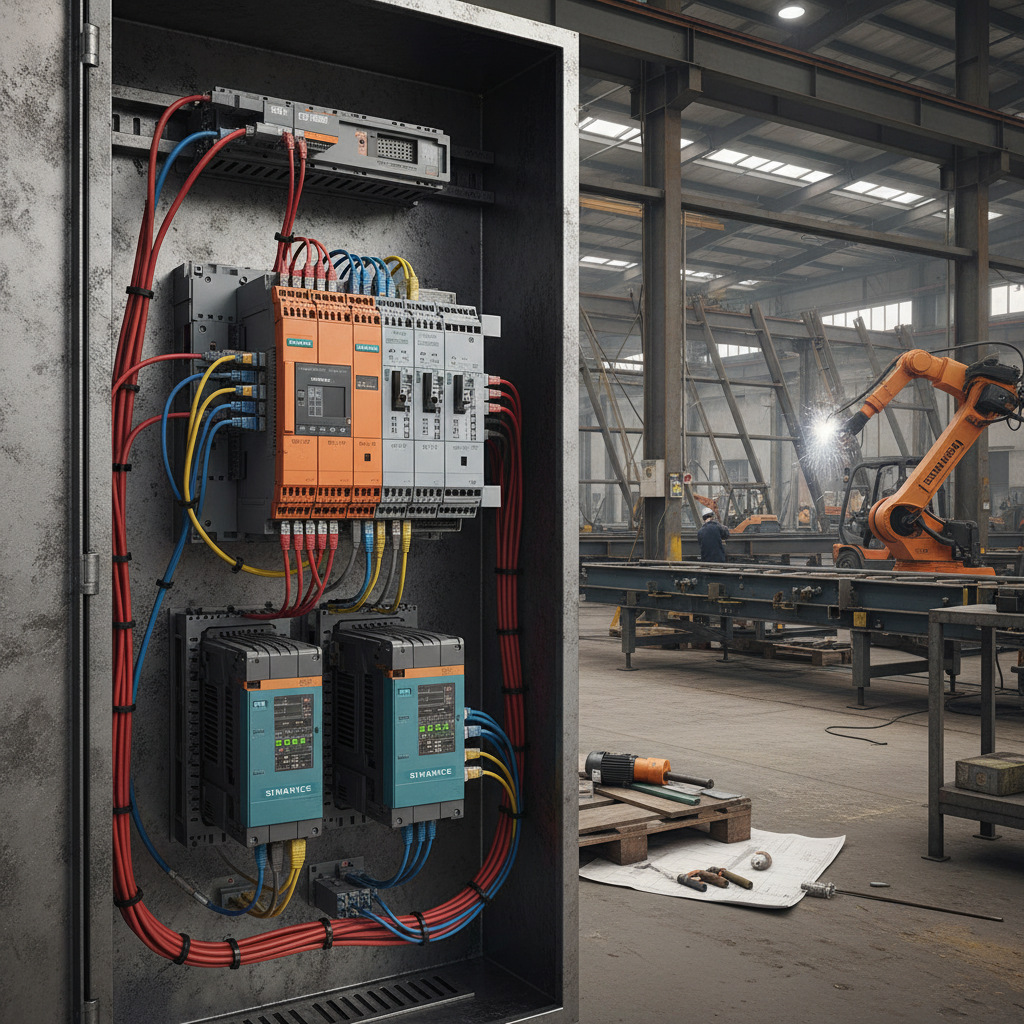
Integration of all sub-assemblies into the enclosure, meticulous internal wiring, and connection of user interfaces. Emphasis on neatness, safety, and electromagnetic compatibility (EMC).
6. Rigorous Testing & Quality Control
Comprehensive functional testing, burn-in tests, insulation resistance tests, and compliance verification against standards like ISO 9001, ANSI, IEC, and UL. This ensures a service life often exceeding 10-15 years.
Target industries for these advanced VFDs include petrochemical, metallurgy, water supply & drainage, HVAC, and pulp & paper. In these sectors, advantages such as significant energy saving, enhanced process control, and corrosion resistance (through specialized coatings and robust enclosures) are critical.
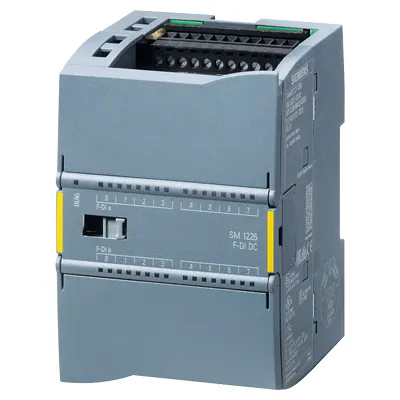
Current Industry Trends in Variable Frequency Drive Technology
The landscape for variable frequency drives manufacturers is continuously evolving, driven by advancements in power electronics, digital connectivity, and a global push for energy efficiency. Key trends include:
- Increased Integration of IoT and IIoT: Modern VFDs are increasingly equipped with built-in communication protocols (e.g., Modbus, EtherNet/IP, PROFINET) for seamless integration into industrial IoT ecosystems. This enables remote monitoring, predictive maintenance, and data-driven optimization.
- Enhanced Energy Efficiency Standards: Stricter global regulations (e.g., IE3, IE4 motor efficiency classes) compel variable frequency drives manufacturers to develop even more efficient drive technologies, often incorporating advanced control algorithms like sensorless vector control for precise operation at all speeds.
- Compact Design and Modular Solutions: Space-saving designs and modular architectures are becoming prevalent, allowing for easier installation, maintenance, and scalability in diverse industrial environments. This trend is particularly beneficial for retrofitting existing systems.
- Harmonic Mitigation: As VFDs proliferate, managing harmonic distortion becomes crucial. Newer drives often feature active front end (AFE) technology or integrated harmonic filters to comply with IEEE 519 standards, ensuring grid stability.
- Focus on Cybersecurity: With increased connectivity, cybersecurity for industrial control systems, including VFDs, is a growing concern. Manufacturers are implementing robust security features to protect against unauthorized access and cyber threats.
These trends highlight the commitment of leading vfd manufacturers to innovation, sustainability, and operational excellence, ensuring their products meet the complex demands of modern industry.
Key Technical Specifications of High-Performance VFDs
Understanding the core technical specifications is vital for selecting the right VFD for a given application. High-performance VFDs from top variable frequency drive supplier adhere to stringent parameters to deliver optimal control and efficiency.
Typical VFD Product Specifications (Example)
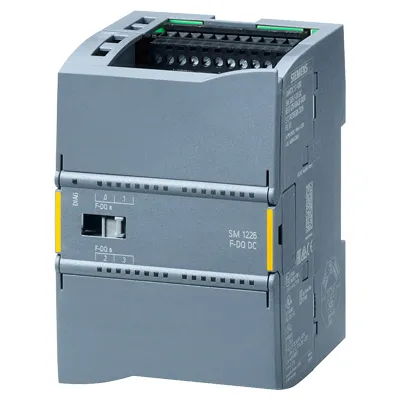
Application Scenarios and Technical Advantages
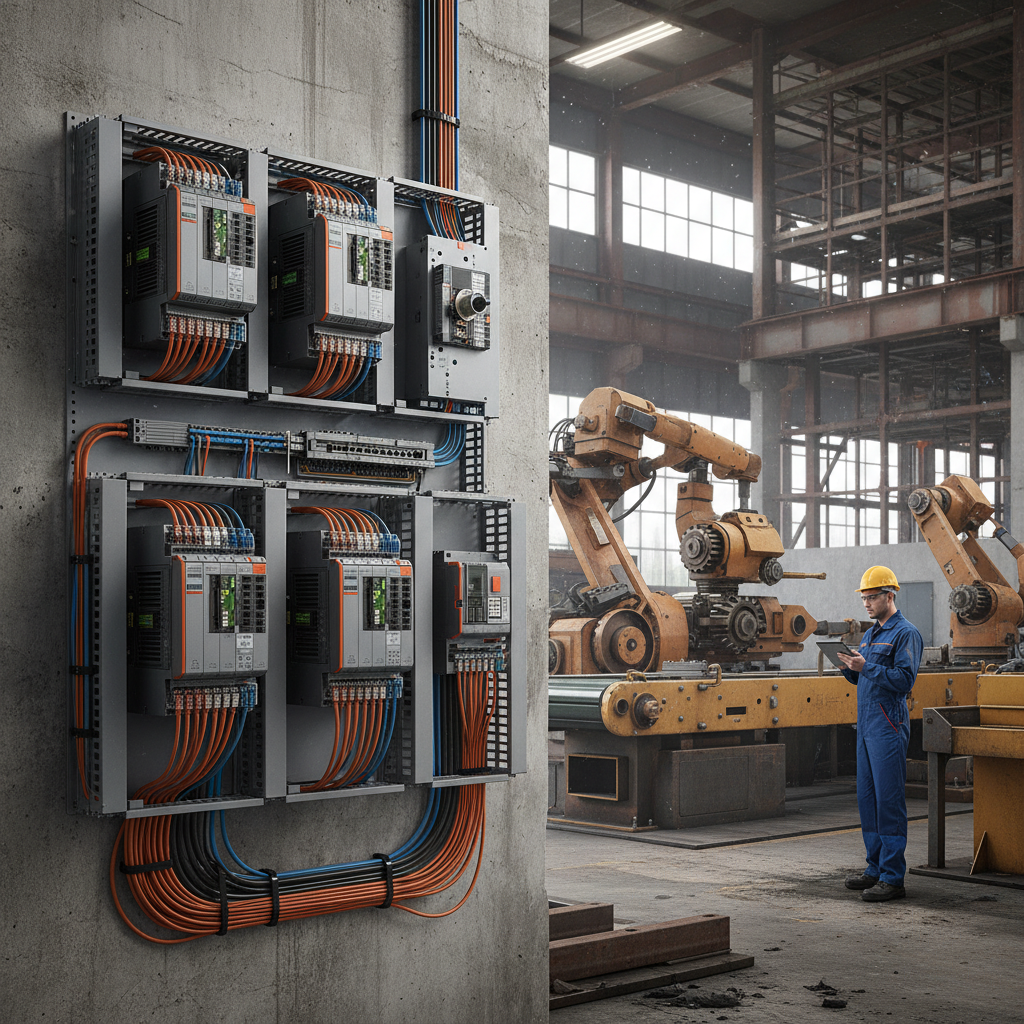
The versatility of VFDs makes them indispensable across a wide array of industrial applications. Their technical advantages translate directly into operational efficiencies and cost savings for end-users.
Typical Application Scenarios:
- Pumps and Fans: Ideal for water & wastewater treatment, HVAC systems, and industrial ventilation. VFDs provide precise flow/pressure control, leading to significant energy savings (cubic law relationship).
- Conveyors and Material Handling: Smooth acceleration and deceleration prevent mechanical shock, extend equipment life, and allow for precise positioning in packaging and logistics.
- Compressors: Optimizing compressor speed to match demand reduces energy waste and wear on mechanical components, especially in variable air demand systems.
- Mixers and Extruders: Precise speed and torque control enable consistent product quality and optimized process parameters in chemical and plastic manufacturing.
- Machine Tools: High-precision motor control ensures accuracy and repeatability in CNC machines and other sophisticated manufacturing equipment.
Technical Advantages:
- Energy Efficiency: By matching motor speed to load requirements, VFDs prevent motors from running at full speed unnecessarily, resulting in substantial electrical energy savings.
- Process Optimization: Fine-tuned control of speed, torque, and acceleration/deceleration allows for improved product quality, reduced waste, and enhanced throughput.
- Extended Equipment Life: Soft starting and stopping minimizes mechanical stress, wear, and tear on motors, gearboxes, belts, and other mechanical components, extending their operational lifespan.
- Reduced Maintenance: Less mechanical stress and optimized operation lead to fewer breakdowns and reduced need for costly maintenance and repairs.
- Improved Power Factor: Many modern VFDs include power factor correction capabilities, reducing reactive power consumption and improving overall electrical system efficiency.
- Enhanced Safety: Precise control allows for better management of critical operations, potentially reducing the risk of accidents associated with uncontrolled motor movements.
Vendor Comparison: Differentiating Top VFD Manufacturers
Choosing the right variable frequency drive supplier requires careful consideration of various factors beyond just initial cost. Reputable vfd manufacturers differentiate themselves through innovation, product quality, support, and specialized solutions. This table provides a conceptual comparison based on common industry benchmarks.
Comparative Analysis of VFD Vendors (Conceptual)
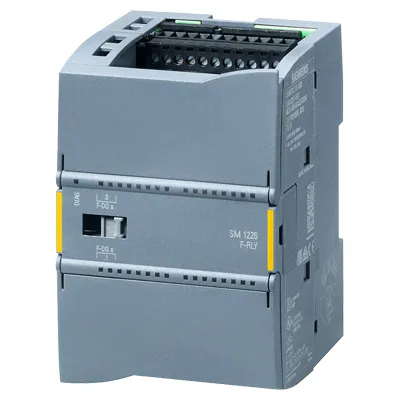
Customized Solutions and Application Case Studies
Beyond off-the-shelf products, many leading variable frequency drive supplier offer customized solutions to address unique industrial challenges. This tailored approach ensures optimal integration and performance in specific operational contexts.
Customization Options Include:
- Specialized Firmware: Developing custom control algorithms for unique motor types or process requirements, such as specialized hoisting or synchronized motion control.
- Integrated Panels & Enclosures: Pre-engineered VFD panels with integrated circuit breakers, filters, and control interfaces, built to specific IP ratings (e.g., NEMA 4X for washdown environments).
- Marine or Hazardous Area Certifications: Tailoring drives for compliance with marine classification societies (e.g., DNV-GL, LR) or ATEX/IECEx standards for explosive atmospheres.
- High-Power & Medium Voltage Drives: Designing and manufacturing large-scale VFDs for high-power applications (e.g., cement kilns, power generation) or directly integrated into medium voltage networks.
Application Case Studies:
Case Study 1: Municipal Water Treatment Plant Upgrade
A major municipal water treatment facility faced escalating energy costs due to aging, fixed-speed pumps. Implementing VFDs from a top vfd manufacturers on their primary pumping stations allowed for dynamic adjustment of pump speed based on real-time demand. The result was a documented 35% reduction in electricity consumption for the pumping system, alongside reduced wear and tear on the pumps, extending their service life by an estimated 5 years. Customer feedback highlighted the ease of integration and the robust remote monitoring capabilities of the new VFDs.
Case Study 2: Steel Mill Rolling Line Optimization
In a hot rolling mill, precise control of roller speed is critical for product quality and throughput. A leading steel producer adopted high-performance VFDs with closed-loop vector control. This enabled extremely accurate synchronization of multiple motors across the rolling line, drastically reducing material waste due to speed discrepancies. The vendor provided on-site commissioning and a specialized training program for the mill's engineers, ensuring smooth operation and maximizing the investment's return. Data showed a 15% increase in production line efficiency and a significant decrease in material rejection rates.
Trust & Support: FAQs, Lead Times, Warranty, and Customer Service
Trustworthiness is a cornerstone for any B2B relationship, especially when investing in critical industrial components like VFDs. Leading variable frequency drives manufacturers prioritize transparency, robust support, and clear commitments to their clients.
Frequently Asked Questions (FAQs):
Q: What is the typical lifespan of a VFD?
A: With proper installation, environmental control, and regular maintenance, a high-quality VFD can have a service life of 10-15 years, and often more. Critical factors include capacitor lifespan and thermal management.
Q: How do VFDs save energy?
A: VFDs save energy by adjusting the motor's speed to precisely match the load requirement. For many applications (like pumps and fans), reducing speed by half can cut energy consumption by up to 87.5% due to the cubic relationship between speed and power.
Q: Are VFDs compatible with all motor types?
A: Modern VFDs are largely compatible with standard induction motors and increasingly with permanent magnet synchronous motors (PMSM) and synchronous reluctance motors (SynRM), requiring appropriate parameter settings and control algorithms.
Lead Time & Fulfillment:
Standard VFD models typically have lead times of 2-4 weeks, depending on power ratings and specific configurations. Specialized or custom-engineered solutions may require 6-12 weeks. Reputable suppliers maintain robust supply chains and often have local inventory for critical components to expedite delivery for urgent requirements. Detailed lead time estimates are provided upon quotation.
Warranty Commitments:
Most high-quality VFDs come with a standard 1 to 2-year warranty from the date of purchase or installation, covering manufacturing defects. Some premium brands offer extended warranties up to 3 years. Specific terms and conditions, including coverage for parts and labor, are detailed in the product documentation.
Customer Support & After-Sales Service:
Reliable customer support is crucial. Leading VFD suppliers offer comprehensive after-sales services including:
- Technical Hotlines: 24/7 or business-hours access to experienced engineers for troubleshooting.
- Field Service Engineers: On-site support for commissioning, maintenance, and complex issue resolution.
- Training Programs: Product and application training for client personnel.
- Online Resources: Extensive documentation, manuals, software updates, and FAQs available through dedicated portals.
- Spare Parts Availability: Guaranteed availability of critical spare parts for the entire product lifecycle.
Conclusion: Partnering with Leading VFD Manufacturers for Industrial Advancement
The role of Variable Frequency Drives in modern industrial operations cannot be overstated. From enhancing energy efficiency and optimizing process control to extending equipment longevity, VFDs are integral to achieving operational excellence. When selecting a variable frequency drive supplier, it is imperative to consider their commitment to quality, adherence to international standards, technological innovation, and comprehensive after-sales support. By partnering with leading vfd manufacturers, businesses can ensure they are investing in robust, reliable, and future-proof solutions that drive efficiency, sustainability, and profitability across their operations.
The continuous evolution of VFD technology, driven by advancements in power electronics and digital integration, promises even greater capabilities and efficiencies in the years to come. Staying informed about these developments and collaborating with knowledgeable manufacturers is key for industries looking to maintain their competitive edge.
Authoritative References
- International Electrotechnical Commission (IEC) Standards for Adjustable Speed Electrical Power Drive Systems. (e.g., IEC 61800 series).
- Institute of Electrical and Electronics Engineers (IEEE) Recommended Practices and Requirements for Harmonic Control in Electric Power Systems. (IEEE Std 519-2014).
- National Electrical Manufacturers Association (NEMA) Standards Publication for Adjustable Speed Drives. (e.g., NEMA ICS 7.0-2000).
- ISO 9001:2015 Quality management systems – Requirements.