Tianjin Yongkai International Trade Co., Ltd.

Get In Touch
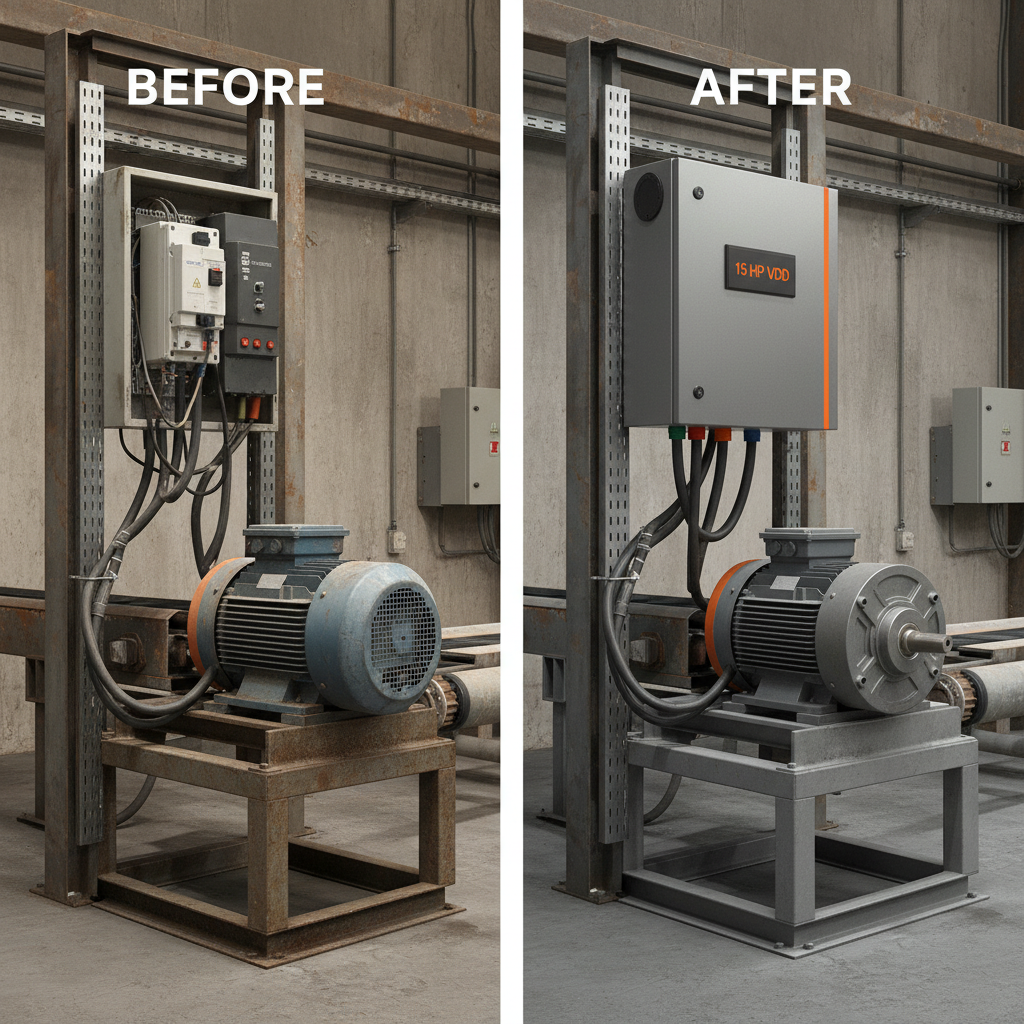
 By:William Davis - March 11, 2026

 By:Charles Wilson - March 9, 2026
 By:William Davis - March 6, 2026
 By:Charles Wilson - March 4, 2026
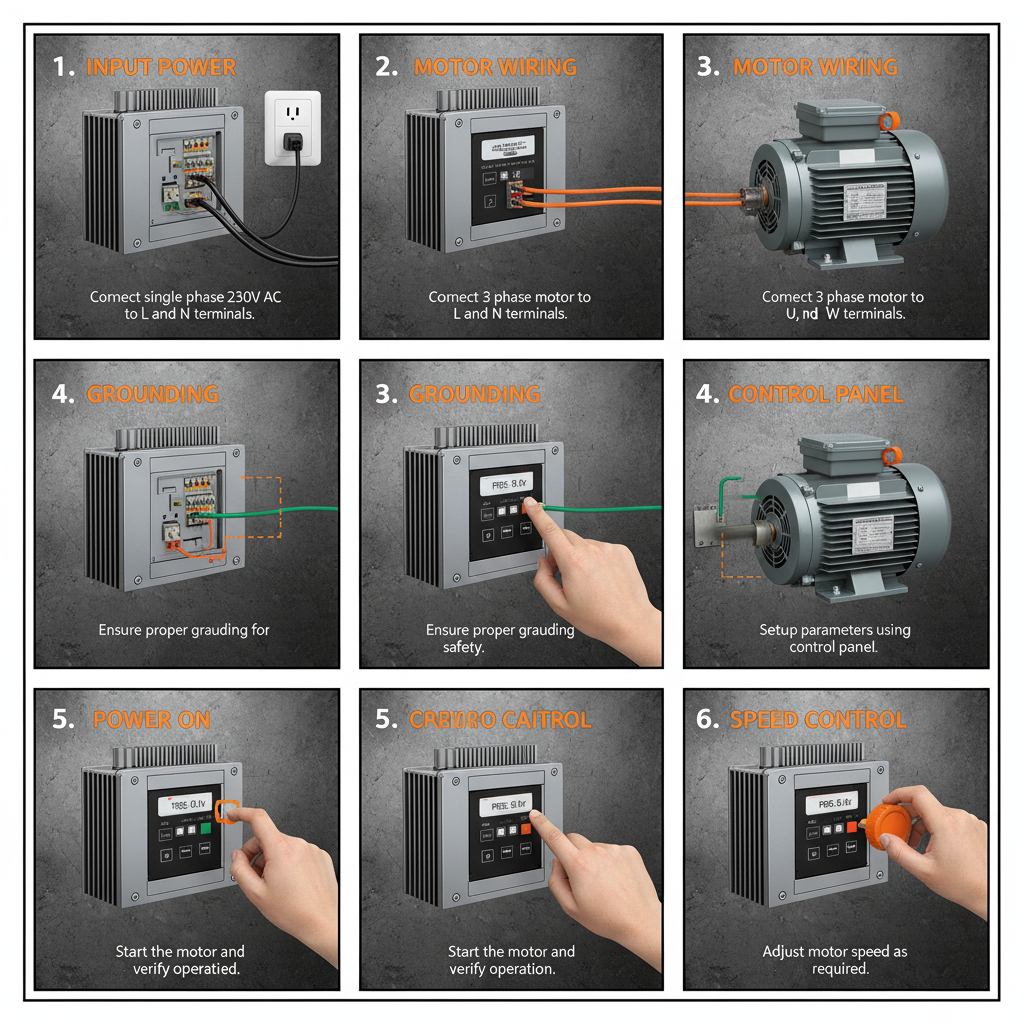 By:Charles Wilson - March 2, 2026

 By:David Miller - February 27, 2026
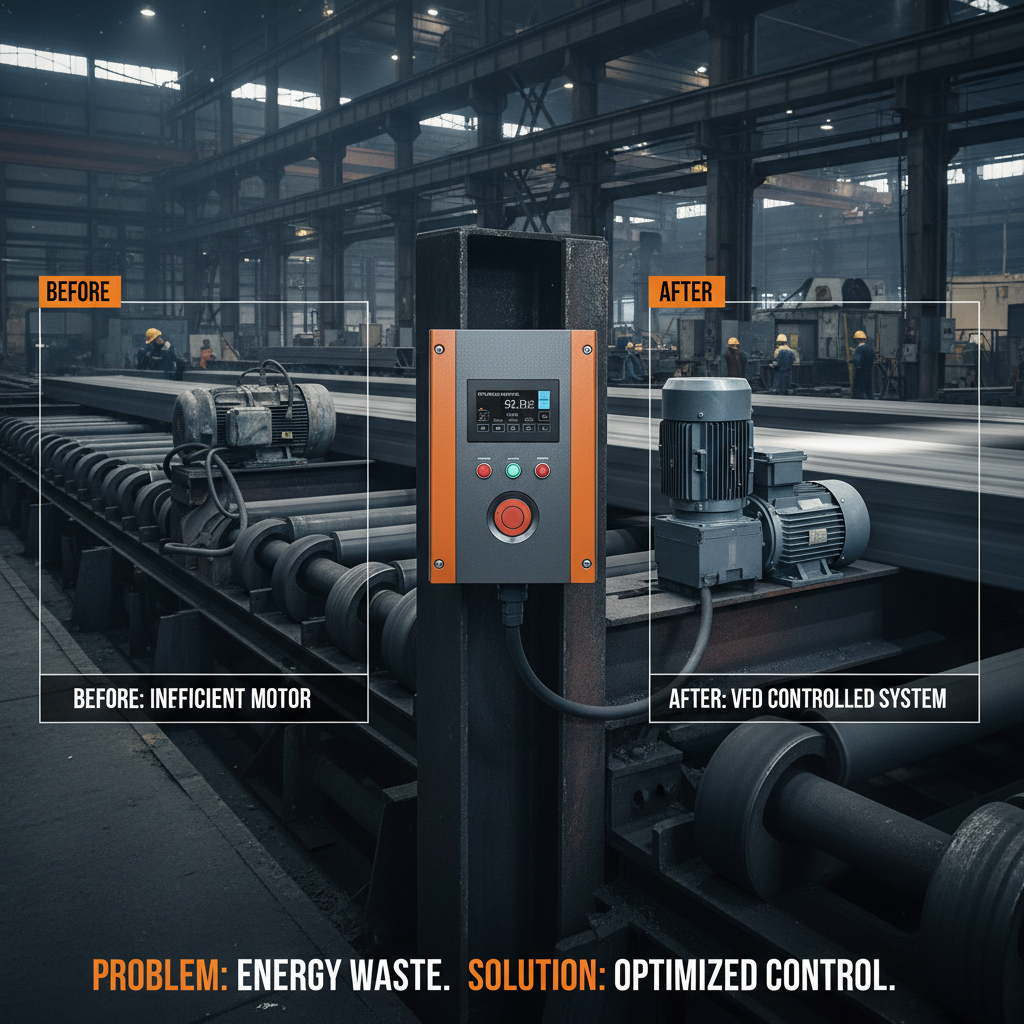
 By:Michael Brown - February 25, 2026
 By:Charles Wilson - February 24, 2026

 By:Robert Johnson - February 21, 2026
 By:Michael Brown - February 20, 2026
 By:Michael Brown - February 19, 2026
 By:William Davis - February 18, 2026